

Custom Web Services: The Smart Way to Scale Your Business...
Read MoreWhat Is a Test Plan?
In software development, quality assurance is non-negotiable. A robust test plan can be the difference between a high-quality release and unexpected failures post-launch. This document acts as a blueprint for all testing activities, detailing how to validate that a product meets user expectations and business requirements. Here’s a comprehensive look at what a test plan is, why it matters, and how to create one effectively.
What Is a Test Plan?
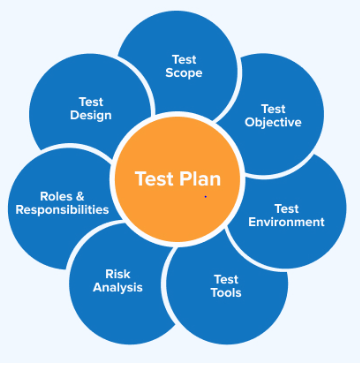
A test plan is a strategic document that outlines the objectives, scope, resources, approach, and schedule for testing a software application. More than a checklist, it’s a carefully designed roadmap for the testing phase, guiding testers through each step to ensure that the product performs as expected.
Why a Test Plan Is Essential
A well-drafted test plan aligns teams, clarifies goals, and sets standards for testing, ensuring an organized approach that minimizes risks. Here’s why it’s a vital part of any software development process:
- Defines Clear Objectives and Scope: It provides clarity on which features are included in testing and which are not, aligning everyone on the project goals.
- Aligns the Team’s Efforts: The test plan assigns specific roles and responsibilities, ensuring that each team member understands their tasks.
- Minimizes Project Risks: By preparing in advance, teams can anticipate potential roadblocks, reducing the chance of costly setbacks later on.
- Standardizes Testing Methods: Following a set plan ensures consistency, making results more reliable and easier to replicate if needed.
- Optimizes Time and Resources: Efficient planning saves both time and resources, helping to keep the project within budget and on schedule.
Key Components of a Test Plan
A comprehensive test plan includes these essential elements:
- Introduction: An overview of the test plan, detailing the scope, objectives, and general testing approach.
- Test Items: A list of features, components, or requirements that need validation.
- Testing Scope: Defines what aspects of the product are in-scope and out-of-scope for testing.
- Test Objectives: Specific goals for testing, such as functionality verification, performance checks, and compliance testing.
- Test Strategy: The approach, including test types (e.g., functional, security, performance) and testing environments.
- Test Environment: Required setups, including hardware, software, network configurations, and tools.
- Test Schedule: Timelines for each phase, from initial planning to execution and final reporting.
- Roles and Responsibilities: Defines responsibilities for tasks, from creating test cases to reporting.
- Deliverables: Outlines what testers will produce, such as test cases, test scripts, and summary reports.
- Entry and Exit Criteria: Specifies conditions to begin testing and criteria for test completion.
- Risk Management: Identifies potential risks with a plan to mitigate them.
- Approvals: Lists individuals or teams responsible for approving the test plan.
Steps to Writing an Effective Test Plan
- Understand Project Requirements: Review project requirements in detail, defining what will be tested and the expected outcomes.
- Set Testing Approach: Based on objectives and constraints, outline the testing types and strategy to be used.
- Identify Test Cases: Create test cases that cover all scenarios for each requirement.
- Define the Test Environment: Outline any required hardware, software, and tools needed for testing.
- Assign Roles and Responsibilities: Clarify roles for each part of the testing process to ensure accountability.
- Plan for Risks and Contingencies: Identify potential risks and set up contingency plans to avoid disruptions.
- Review and Approve: Share the plan with stakeholders for feedback, making any adjustments needed before finalizing.
Best Practices for Creating a Test Plan
- Be Clear and Concise: Use straightforward language to avoid confusion.
- Allow Flexibility: While detailed, the plan should be adaptable to accommodate changes as they arise.
- Maintain Open Communication: Keep stakeholders informed and encourage feedback throughout.
- Use Automation Wisely: Automate repetitive testing tasks for efficiency.
- Keep the Plan Up-to-Date: As features change or new requirements are introduced, revise the test plan accordingly.
Conclusion
An effective test plan is crucial for ensuring a high-quality product release. By setting clear objectives, defining responsibilities, and planning for risks, it provides a strong foundation for efficient, consistent testing. For any team aiming to deliver software that delights users and meets business goals, a test plan is an indispensable tool that brings organization and confidence to the testing phase.
Categories
Recent Articles
Custom Web Services: The Smart
Custom Web Services: The Smart Way to Scale Your Business...
Read MoreThe API Revolution: Driving the
The API Revolution Driving the Future of Web Services In...
Read More🌐 Web Services: Fueling Digital

🌐 Web Services: Fueling Digital Innovation for Modern Businesses In...
Read More